How to get a Tattoo Apprenticeship
No. We’re not going to tell you how to get an apprenticeship, let’s just get that outta the way right now. However, if you’re interested in getting into tattooing, or worse, you’re a tattooer with an endless carousel of apprentices and you have forgotten why you need 3 apprentices in your shop at all times, well then, this probably for you.
The Apprenticeship: How Tattooing Passed From One Generation to the Next
What is a tattoo apprenticeship? Before tattooing had schools, certifications, YouTube tutorials, online courses, conventions filled with seminars, or thousands of Instagram posts explaining how to build a tattoo machine, there was the apprenticeship.
For much of tattooing’s modern history, an aspiring tattooer had essentially one way to learn the trade: find someone who knew how to tattoo and convince them to teach you.
That relationship became one of the most important institutions in tattoo history.
The tattoo apprenticeship was never simply about learning how to put ink into skin. At its best, it was a complete education in a craft: drawing, composition, machine mechanics, needle construction, pigment, sanitation, skin, customer relationships, shop etiquette, business, and—perhaps most importantly—the traditions and unwritten rules of tattooing.
It was also how tattoo culture reproduced itself.
A tattooer learned from someone who had learned from someone else. Flash designs were copied and redrawn. Machines changed hands. Techniques were demonstrated. Stories were told. Mistakes were made and corrected.
The knowledge of one generation became the foundation for the next.
Before the Modern Apprenticeship
The apprenticeship model predates modern professional tattooing by centuries.
Tattooing existed in cultures throughout the world long before the development of the Western tattoo shop. In many traditional societies, tattoo knowledge was transmitted through established cultural relationships, often involving family, community, ritual, or specialized practitioners.
The modern Western tattoo apprenticeship, however, developed alongside the professional tattoo trade of the 19th and early 20th centuries.
As tattooing became increasingly commercialized in port cities, military communities, traveling carnivals, sideshows, and urban entertainment districts, tattooers began establishing themselves as professional tradesmen.
They needed assistants.
They needed people who could maintain equipment, prepare the shop, make and organize designs, handle customers, and eventually learn to tattoo.
And so the relationship between tattooer and apprentice became embedded in the emerging tattoo business.
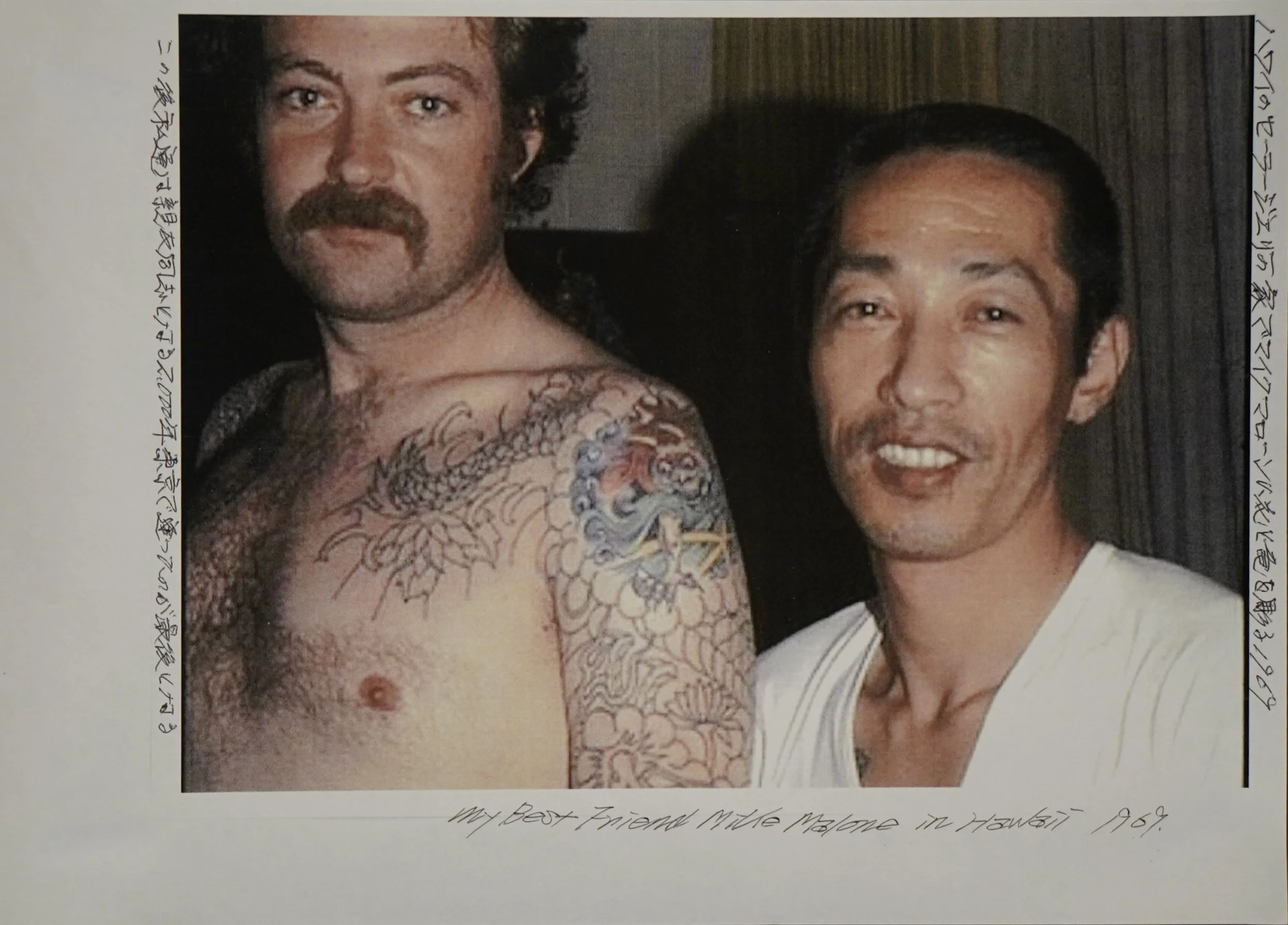
Where it all began
Before tattooing had online tutorials and Instagram or TikTok influencers, there was one primary way to learn the trade:
You found a tattooer who knew more than you did, and you learned from them. This was unpaid, you worked long hours often facing constant hazing and ridicule.
You watched. You drew. You cleaned the shop. You learned machines, needles, pigments and flash. You got everyone’s coffee and lunch. You listened to stories and absorbed the unwritten rules of the trade. Eventually, if you proved yourself, someone trusted you enough to put a tattoo machine in your hand. Often times this meant years of work before even touching a machine.
At that time, tattooing was a closed trade and artists back then held information very close to their chest. They cherished tattooing; they protected it and weren’t interested in sharing it with just anybody. Most of the time, if you were receiving any type of information or tips of the trade from a fellow artist, it was most likely misinformation — a tactic used to set you back and slow down your progress…
This was the tattoo apprenticeship.
For generations, it was how the craft survived. More importantly, it created something that remains deeply important to tattooing today: lineage.
A tattooer was rarely an isolated artist. They were part of a chain of people who had taught them, influenced them, worked beside them, or passed along designs, techniques and traditions. Following that chain takes us through the Bowery and Chatham Square in New York, across the country to California, through the Pike in Long Beach, into San Diego and eventually into the modern tattoo world.
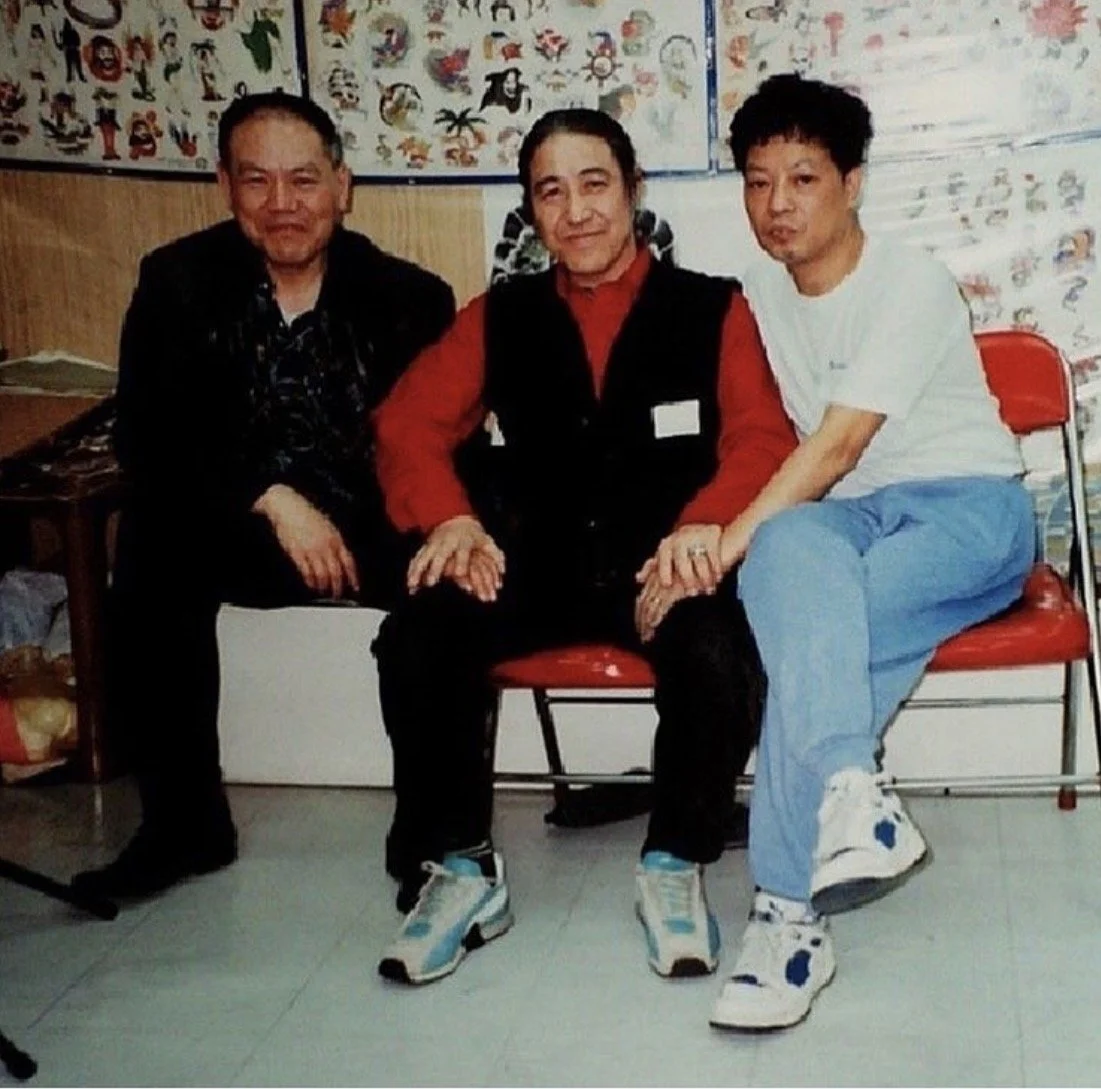
Today a lot of that lineage is lost and the mysticism gone. Information is readily accessible by artists looking to make a name for themselves through selling education for likes on social media platforms.
…All walks of people are getting tattooed, from doctors, lawyers, celebrities, and professional athletes, to even your everyday soccer mom. The tattoo industry has gained tremendous momentum and it's nice to see that tattoos are not frowned upon by most anymore. In fact it's respected — as it should be — as a serious art form. The problem I see with the popularity of tattoos is that the craft is less cherished and disrespected by some. There was a certain mystique that tattooing possessed that has, in my opinion, disappeared. There are no more secrets. Tattoo culture is all over television and media and, more often than not, is misrepresented and unauthentic. Tattoos and the whole process of tattooing is a magical experience, however not everyone feels this way about tattoos. - Mike Rubendall
Today, the barrier to entry into tattooing is lower than it has ever been. Someone with an art background can order a machine online, buy a complete kit, and begin experimenting almost immediately. In some shops, apprenticeships have also become increasingly structured around predetermined timelines and accelerated curriculums, with the goal of getting an apprentice tattooing—and generating revenue—as quickly as possible.
The result is a fundamental shift in how tattooing is learned. Social media can give a relatively new tattooer an enormous audience and a powerful voice, sometimes reaching far beyond artists who have spent decades developing their craft. Visibility, however, is not the same thing as experience. A large following does not necessarily reflect an understanding of how a tattoo will age, how different skin behaves, how ink settles, or how design decisions made today will look decades from now.
Social media has also created a culture where technique can become trend-driven. Certain styles photograph beautifully, perform well online, and attract attention in the moment, but a tattoo is not a photograph. It has to live on skin. It has to heal, age, and remain legible over time. Understanding that difference takes far more than learning how to reproduce a look on a screen.
The concern isn’t that new artists are entering tattooing. Every generation needs new tattooers, and the craft has always evolved. The concern is when the process of becoming a tattooer is reduced to learning how to operate a machine rather than learning the craft itself.
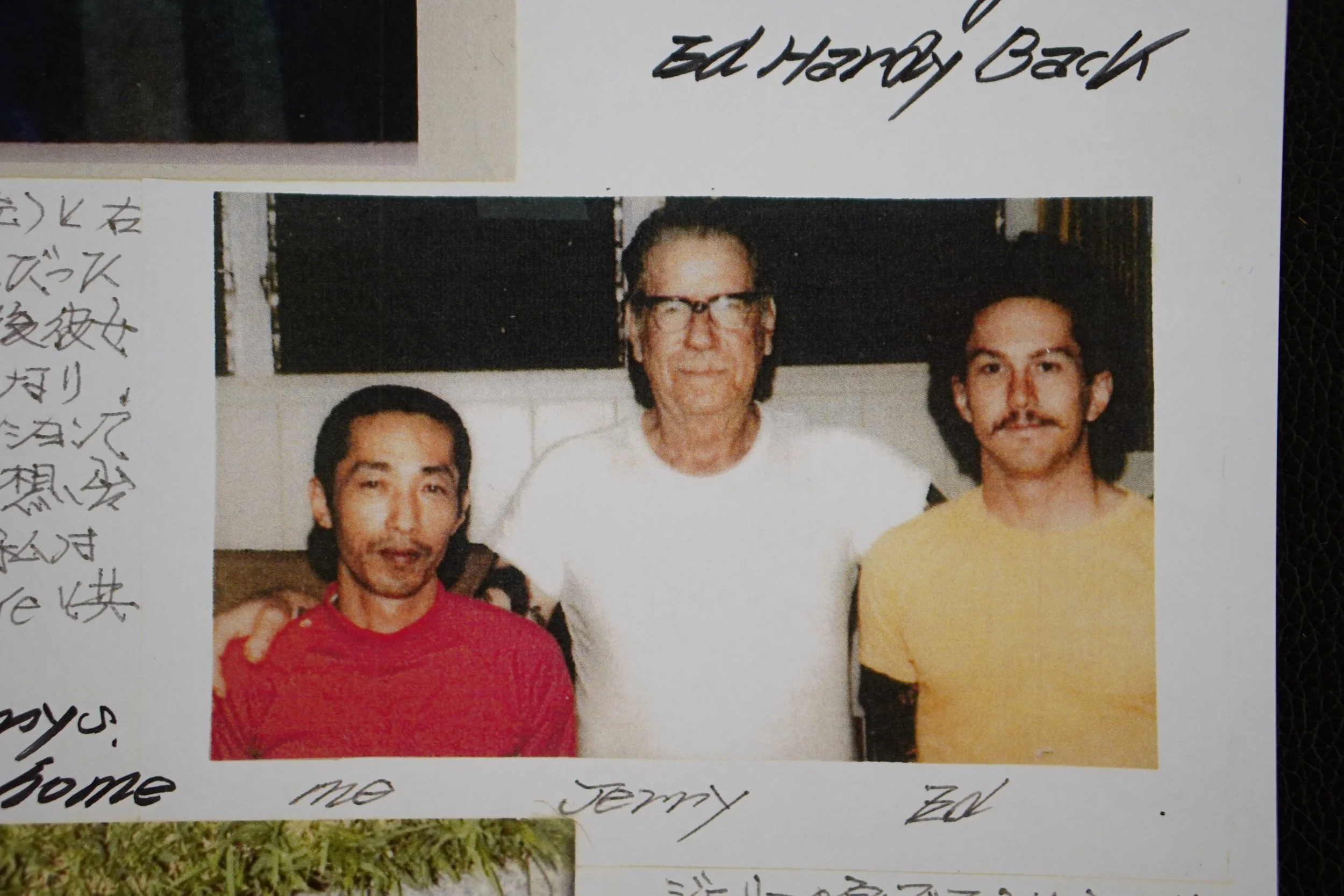
Tattooing is a discipline that takes years to understand and a lifetime to refine. Drawing, composition, line weight, color theory, machine mechanics, skin, sanitation, application, healing, aging, client interaction, and the history of the craft all become part of the education. An apprenticeship was traditionally designed to expose an artist to those lessons gradually, through observation, repetition, correction, and responsibility.
There is a difference between learning how to put ink into skin and learning how to tattoo. The first can be taught relatively quickly. The second takes years.
The industry is over-saturated with new tattooers that have possibly never picked up a pencil in all their life, but saw this as a good opportunity to make a quick buck. These are the tattooers that clients have to be aware of. It's important for potential clients to do their research to find a good artist, a reputable shop, and make sure that both are practicing proper hygiene .
For anyone looking to get into tattooing, there has never been a more important time to take the craft seriously. We are entering a period where many of the tattooers who helped build the industry are retiring, stepping away, or nearing the end of their careers. They leave behind decades of knowledge, tradition, and experience—and some very large shoes to fill.
Tattooing is open to anyone willing to dedicate themselves to learning it. There is room for new voices and new generations of artists. But being welcomed into the industry and earning your place within it are two different things.
The next generation has an opportunity to carry this craft forward, but that requires more than learning how to use a machine, or how to build a social media platform with cringy videos just to get attention. It requires understanding the history, respecting the people who came before you, learning from experienced tattooers, and putting in the years necessary to develop genuine skill.
The shoes left behind by the old guard aren’t meant to be filled overnight. They’re meant to be earned.